By Caroline Matas, Ph.D.
Have you ever heard Frank Sinatra’s song “My Way?” It’s kind of a dirge, and honestly I don’t really recommend it. I only listened to it for the first time when I learned about the phenomenon of “My Way” karaoke murders (absolutely worth a Google). But there’s a reason it’s so popular: it’s about making the most of your time on Earth and staying true to your internal compass.
I’ve lived a life that’s full
I traveled each and every highway
And more, much more than this
I did it my way
During the school year, your time doesn’t always feel like your own. That, to me, is precisely why summer break is so important: it’s a chance to check back in with yourself and make sure you’re doing things your way. You might still have some obligations–chores, paid work, maybe summer school. But your summer does not need to be just a perfectly curated lineup of expensive programs, prestigious internships, or resume-building opportunities.
In fact, some of the most compelling college applications come from students who spend their summers doing things that are off the beaten path: curious, creative, a little weird, and deeply them.
Admissions officers aren’t looking for the most polished version of you. They’re looking for a real person. And summer is one of the best times to figure out who that person is. So, here are five ways to make your summer count–while doing it your way.
1. Read Books
I know, I know. I just told you not to do things that feel like a slog. The fact is, fewer kids are reading for fun than ever before–and studies show the drop-off is steepest for teenagers. But here’s the thing: as one of my daughter’s favorite picture books (Griselda Snook’s Spectacular Books) reminds me, there’s a book for everyone. You just have to find the right one for you!
Reading for pleasure does a few magical things at once: it loosens up your thinking, sparks ideas you didn’t know you had, and quietly teaches you what good writing actually sounds like. You start to notice voice, rhythm, and storytelling without even trying.
So make it a goal this summer to find something you want to read. Fiction, memoir, fantasy, non-fiction essays, graphic novels–whatever pulls you in. If you need help finding the right genre or topic, librarians and booksellers literally love to offer recommendations. The goal isn’t to impress anyone. It’s to get your brain moving in new directions.
2. Try Something New (Even If You’re Bad at It)
Maybe even…especially if you’re bad at it.
As those endless summer days stretch out before you and the mosquitoes and humidity chase you back indoors, stop and think about ways you might branch out. The best thing about trying something new is that it is flexible–it can be alone or with friends, expensive or free, and time-consuming or quick. Maybe you’ll learn to juggle. Maybe you’ll thrift a cheap unicycle and quickly test the limits of your bike helmet. Maybe you’ll join a local stand-up comedy troupe. Maybe you’ll look up some questionable YouTube tutorials to learn guitar, coding, or chocolate-making.
Maybe it’ll unlock a whole new world for you. And maybe it’ll be a disaster!
Either is ok, because here’s the secret: a niche hobby makes for a great story, but, as my colleague Adam has written, failure makes for an even greater one.
Moments where things go wrong–where you’re uncomfortable, surprised, or humbled–offer you all the right ingredients to demonstrate growth, humor, resilience, and self-awareness in your essays. As a former admissions officer myself, I always loved reading students’ funny stories of failure and growth. So try something new! Succeed or fail, you’ll have a new story to tell.
3. Level Up Your Existing Hobbies
If you’re already a hobby collector and your parents have put the kibosh on you buying any more supplies for a new obsession that you’ll abandon in two weeks (not that I’m speaking from personal experience), then maybe your best move is to figure out what you already enjoy and breathe some new life into it.
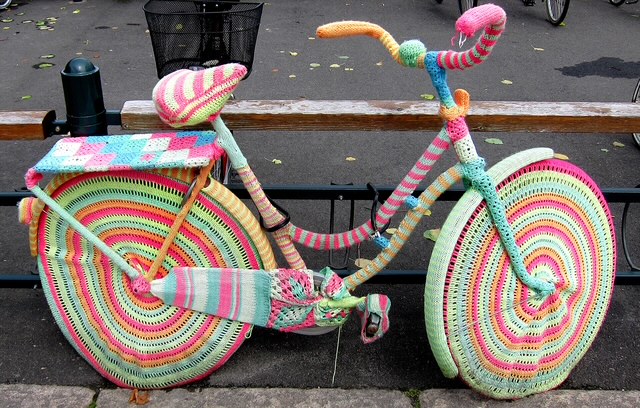
Love knitting or sewing? Learn how to yarn bomb! It’s an offbeat way to work with fiber while adding some color to a public space in your neighborhood. Into photography? See if your community is in need of someone to document local events or if your favorite coffee shop would want to display a photo series. Like to just hang out with your friends? Peruse social media for inspiration on organizing a “structured chaos” night–a powerpoint party, a playlist party, a murder mystery party, or a candy salad party.
The sweet spot is where your interests meet other people. When you connect what you love to your community, even in small ways. And that kind of meaning-making is exactly what colleges are interested in.
4. Be Present with Your People (and Reflect on It)
If you’re mostly just spending time with friends or family this summer, don’t underestimate how important that can be. Many college essay prompts invite you to reflect on your meaningful relationships, and summer can be a great time to invest in (and reflect on) those relationships. What does that look like?
Put your phone down more often than usual.
Pay more attention to conversations around you.
Notice the little moments–the inside jokes, the quiet routines, even the annoyances–that make each of your relationships unique.
You might even consider writing some of it down.
Journaling doesn’t have to be formal. A few sentences here and there about something that stuck with you is enough. Over time, you’ll start to see patterns: what you care about, who matters to you, what kinds of moments feel most important.
Spoiler alert: these are exactly the kinds of things that show up in supplemental essays. But even if they never make it beyond your journal, you’ll never regret being more present with those you love.
5. Make Something That Didn’t Exist Before
This can be big or small. Structured or chaotic. Public or just for you.
Start a blog. Write short stories. Create a zine. Launch a social media account about a niche interest (maybe even document your attempt to learn something new?). Build a tiny app. Organize a neighborhood event. Record a podcast with your friends. Design a board game.
The point isn’t the end product–it’s the process of creating something instead of just consuming.
Colleges love to see initiative, yes. But more importantly, creating something helps you understand how you think, what excites you, and how you bring ideas to life. That self-knowledge shows up everywhere in your application–and just improves your life.
Preparing for college applications isn’t just about perfecting your resume. It’s about getting to know yourself–what you enjoy, what you value, and who you want to spend your time with.
If you spend your summer chasing what sounds impressive, you’ll end up with a list of activities. If you spend your summer chasing what genuinely interests you, you’ll end up with something much better: stories, perspective, and a clearer sense of who you are.
And when it’s time to write your essays, that’s what makes the words come easily.
Comments are closed.